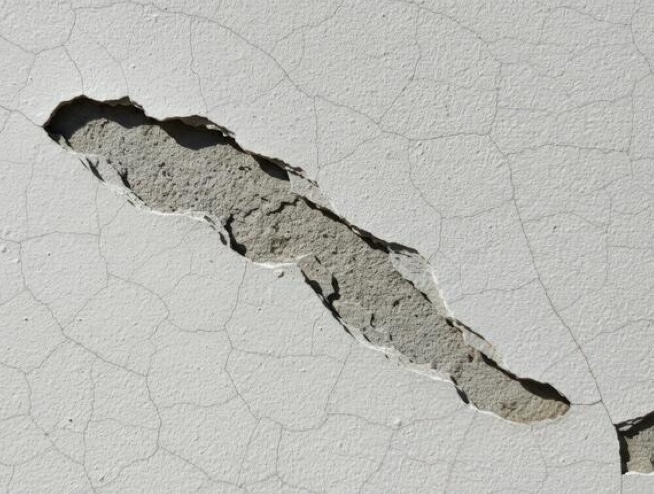
Stucco is a durable, popular exterior finish throughout Southern California, but like any cement-based material, it can crack. Some cracks are minor and mostly cosmetic. Others can be a sign of a larger issue, especially if they allow water to get behind the stucco.
Understanding what causes stucco to crack can help you decide when a crack is simply something to monitor and when it's time to have it evaluated.
Common Causes of Stucco Cracks
- Building settlement and movement: homes naturally shift and settle over time, and that movement can stress the stucco.
- Seismic activity: earthquakes and ground movement, common in Southern California, can cause cracking, especially at corners and openings.
- Temperature changes: stucco expands and contracts with heat and cooling, which can lead to cracks over time.
- Curing and shrinkage: if stucco dries too quickly or is mixed or applied improperly, small shrinkage cracks can form.
- Installation issues: problems with lath, fasteners, layer thickness, or control joints can make stucco more likely to crack.
- Water intrusion: moisture behind the stucco can weaken the system and lead to cracking, staining, and bulging.
- Impact damage: bumps from vehicles, equipment, or objects can crack or chip the surface.
Where Cracks Commonly Appear
Cracks often show up at stress points, such as the corners of windows and doors, where walls meet, along floor lines, and near balconies or rooflines. Cracks in these areas deserve attention because they're also common entry points for water.
Hairline Cracks vs. Larger Cracks
Very thin hairline cracks are common and may only affect the finish coat. Even so, they're worth keeping an eye on. Cracks that are wider, growing, or appearing in patterns can indicate movement, installation problems, or moisture issues.
- Cracks that are widening or getting longer
- Cracks with staining or discoloration around them
- Stucco that sounds hollow, bulges, or feels soft
- Cracks around windows, doors, or balconies
- Cracks that keep returning after being patched
Why Cracks Matter
The biggest concern with stucco cracks isn't how they look. It's what they let in. Cracks can allow rain and sprinkler water to reach the moisture barrier, lath, and framing behind the stucco. Over time, that moisture can lead to more extensive damage that's harder and more expensive to fix.
Repair or Replace?
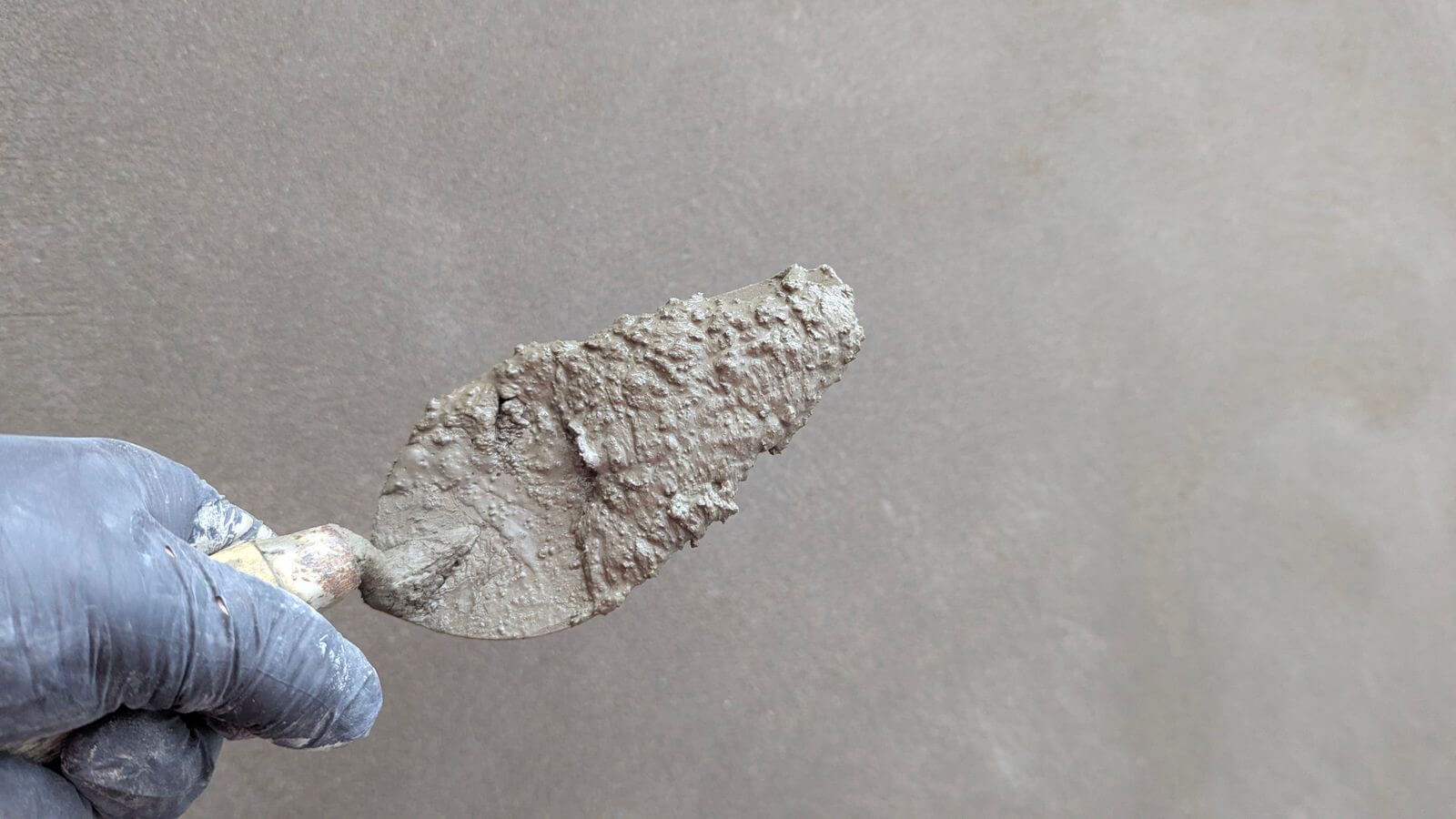
Isolated cracks can often be addressed with a targeted stucco repair and texture matching. When cracking is widespread or the stucco is failing, a re-stucco may be the better long-term solution. Learn more in our article Stucco Repair vs. Re-Stucco: Which One Do You Need?
JRD PLASTERING can inspect cracked or damaged stucco, help identify the likely cause, and recommend an appropriate repair for homes, apartment buildings, and commercial properties throughout Southern California.